


Why Sweltering North Texas Summer Humidity Accelerates Dangerous Heat Stroke in Active Rockwall Dogs
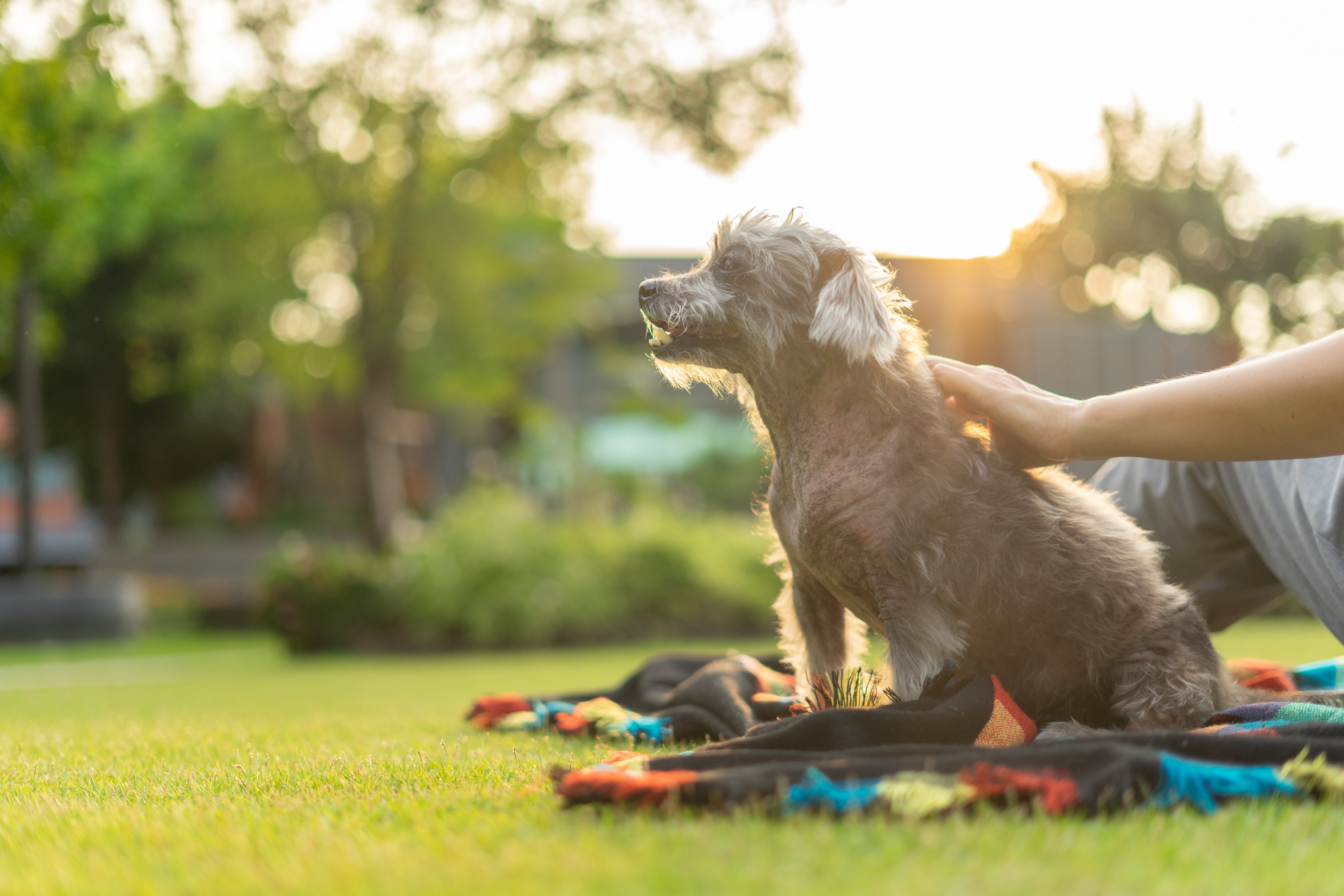
North Texas summers can be especially tough on active dogs. High temperatures combined with heavy humidity can make even a familiar walk, backyard play session, or trip to the park more dangerous than expected. For Rockwall pet owners, understanding how humidity affects a dog’s ability to cool down can help prevent heat stroke and recognize when urgent veterinary care is needed.
Why Humidity Makes Overheating More Dangerous
Dogs regulate their body temperature differently than people. They rely primarily on panting, which allows moisture to evaporate from the tongue and respiratory tract and release excess body heat. When humidity is high, that evaporation becomes less effective, making it harder for dogs to cool themselves.
This means an active dog can become dangerously overheated even when an outdoor activity does not seem unusually strenuous. Running, playing fetch, walking on hot pavement, or spending extended time outdoors during a humid afternoon can quickly place added stress on the body.
Which Dogs Face a Higher Heat Stroke Risk?
Every dog can develop heat stroke, but certain pets require extra caution during hot and humid weather. Short-nosed breeds such as Bulldogs, Pugs, and Boxers may struggle to pant efficiently. Older dogs, overweight dogs, thick-coated breeds, and dogs with heart or respiratory problems can also be more vulnerable.
Even young, athletic dogs are not immune. High activity levels can generate significant body heat, and humid conditions may prevent the body from releasing that heat fast enough.
Signs Your Dog May Be Developing Heat Stroke
Heat stroke can progress rapidly and should be treated as a veterinary emergency. Watch closely for symptoms such as:
• Excessive or frantic panting
• Heavy drooling or thick saliva
• Bright red or abnormal-looking gums
• Vomiting or diarrhea
• Weakness, confusion, or difficulty standing
• Labored breathing
• Tremors, seizures, or collapse
Severe heat stroke can damage multiple organs and lead to shock, kidney injury, and blood-clotting problems. If your dog shows serious symptoms, immediate veterinary evaluation is important.
Preventing Heat Stroke During Summers
Plan walks and outdoor exercise for cooler portions of the day and reduce strenuous activity when temperatures and humidity are high. Keep fresh water available and provide access to shade or an air-conditioned environment.
Never leave a dog inside a parked vehicle, even for a short period. A car can become dangerously hot within minutes. Dogs should also be closely supervised during outdoor activities so early signs of overheating are not overlooked.
If your dog begins overheating, move them into a cooler environment and seek veterinary guidance promptly. Cool water can be used while arranging emergency care, but extremely cold water or ice should be avoided because safe, controlled cooling is important.
If your dog is experiencing signs of heat stroke, bring them to Rockwall Urgent Vet for urgent veterinary care. Visit our office in Rockwall, TX, or call (469) 830-9183 today.


Monday - Friday2:00pm - 12:00am
Saturday - Sunday10:00am - 12:00am
Saturday - Sunday10:00am - 12:00am
Powered by: 